What is Habotai Silk? Why It’s Called “China Silk”
If you are exploring the world of luxury fabrics, you may have come across the term Habotai Silk—affectionately known as “China Silk.” It is one of the most historically significant and versatile fabrics in the textile world.
If you are wondering how it differs from the famous Mulberry Silk and which one you should buy, you've come to the right place. At TOWNSSILK, let's break down exactly how these silks feel, look, and fit into your lifestyle.
What Exactly is Habotai Silk?
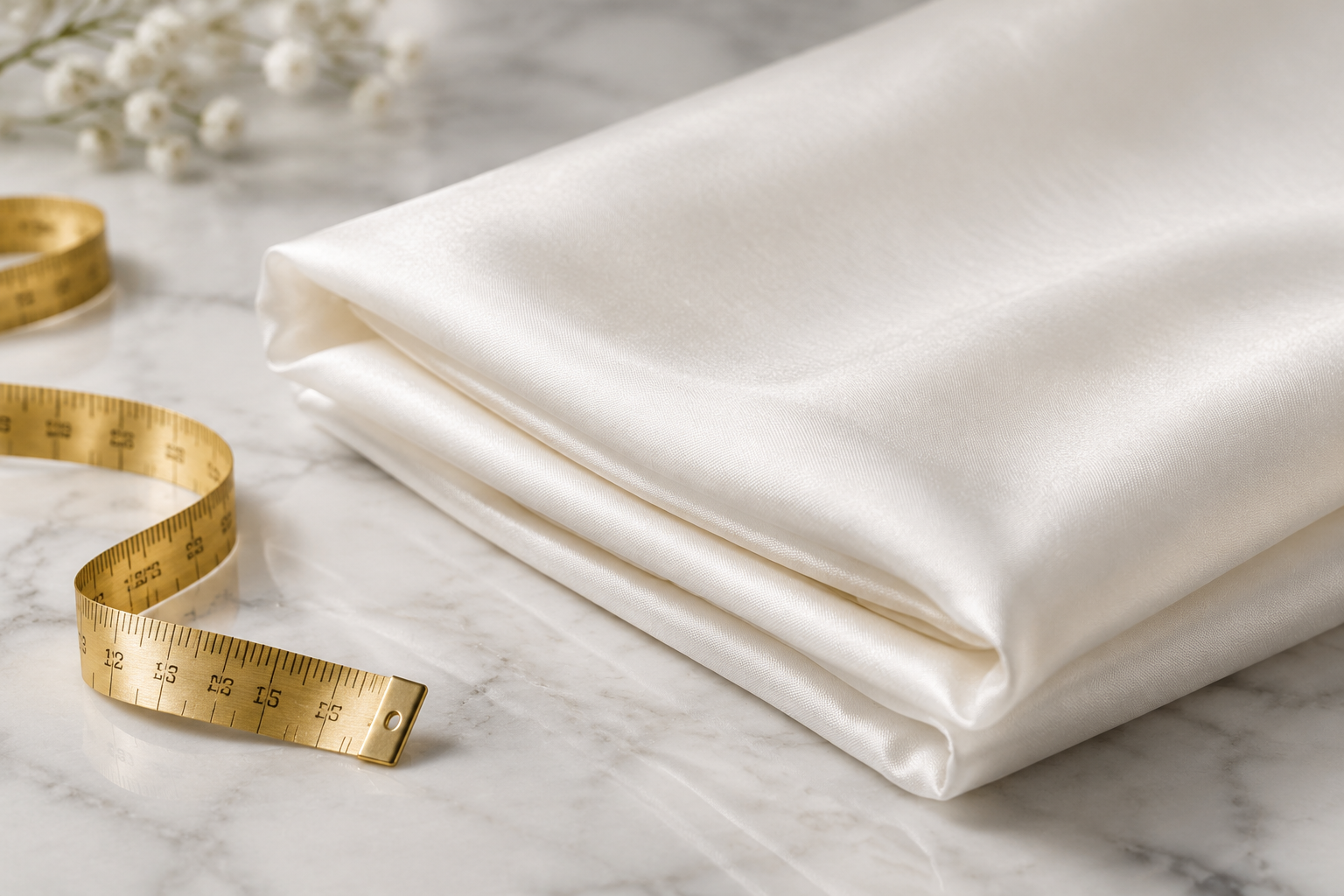
Habotai silk (pronounced *ha-bo-tie*) is a lightweight, smooth silk with a delicate, natural sheen. Unlike high-gloss satin, Habotai has a softer, more understated finish. Because it is thin and breathable, it drapes beautifully and feels feather-light against the skin.
Often weighing between 8 and 16 momme, Habotai is much lighter than the heavier silks used for luxury bedding. It is incredibly smooth to the touch—almost like paper, but with the luxurious softness only real silk can provide.
Why is it Called “China Silk”?
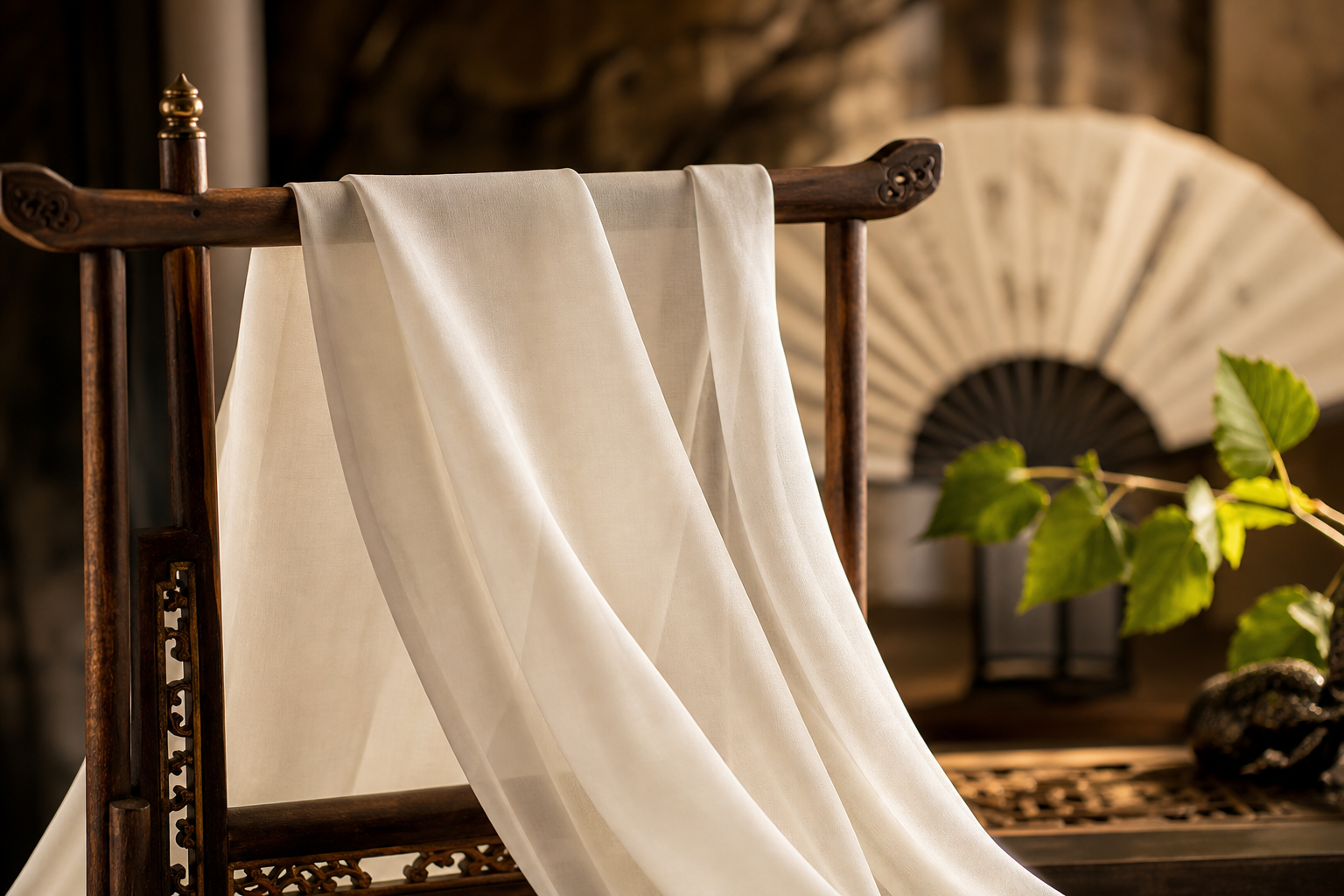
The nickname “China Silk” is a nod to history. For centuries, China was the primary source of silk exported to the West, and Habotai was one of the earliest forms of silk traded.
In Japan, a very similar plain-weave silk known as 'Habutae' was traditionally used as a premium lining for kimonos. This highlights how this lightweight weave has been valued across different cultures for its practicality. Even today, the name "China Silk" remains a popular term for this specific, lightweight texture.
Habotai vs. Mulberry Silk: How Do They Feel Different?
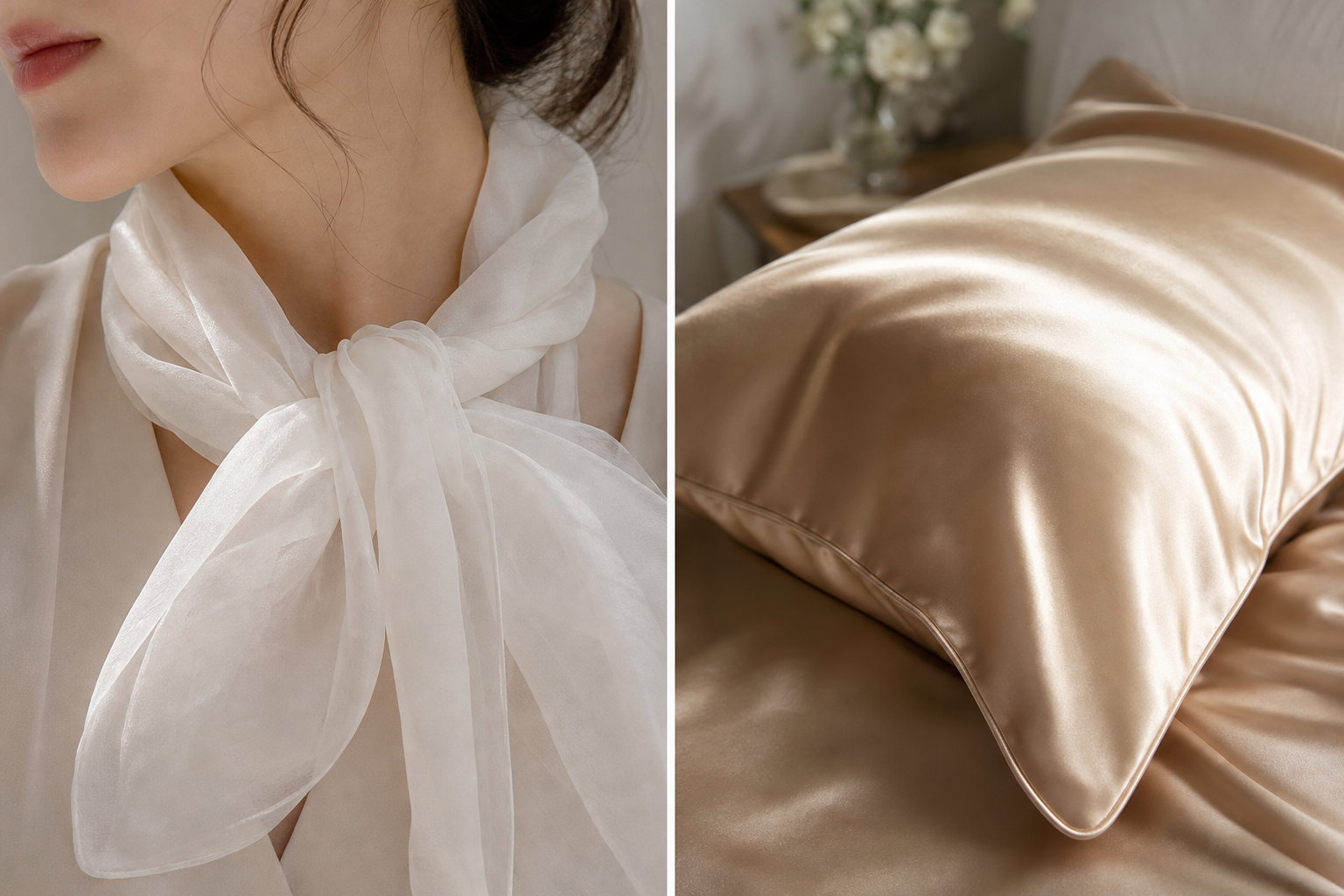
In the market, you will often see these two terms compared. While they are both premium silks, they serve completely different purposes in your wardrobe.
Here is how they feel in real life:
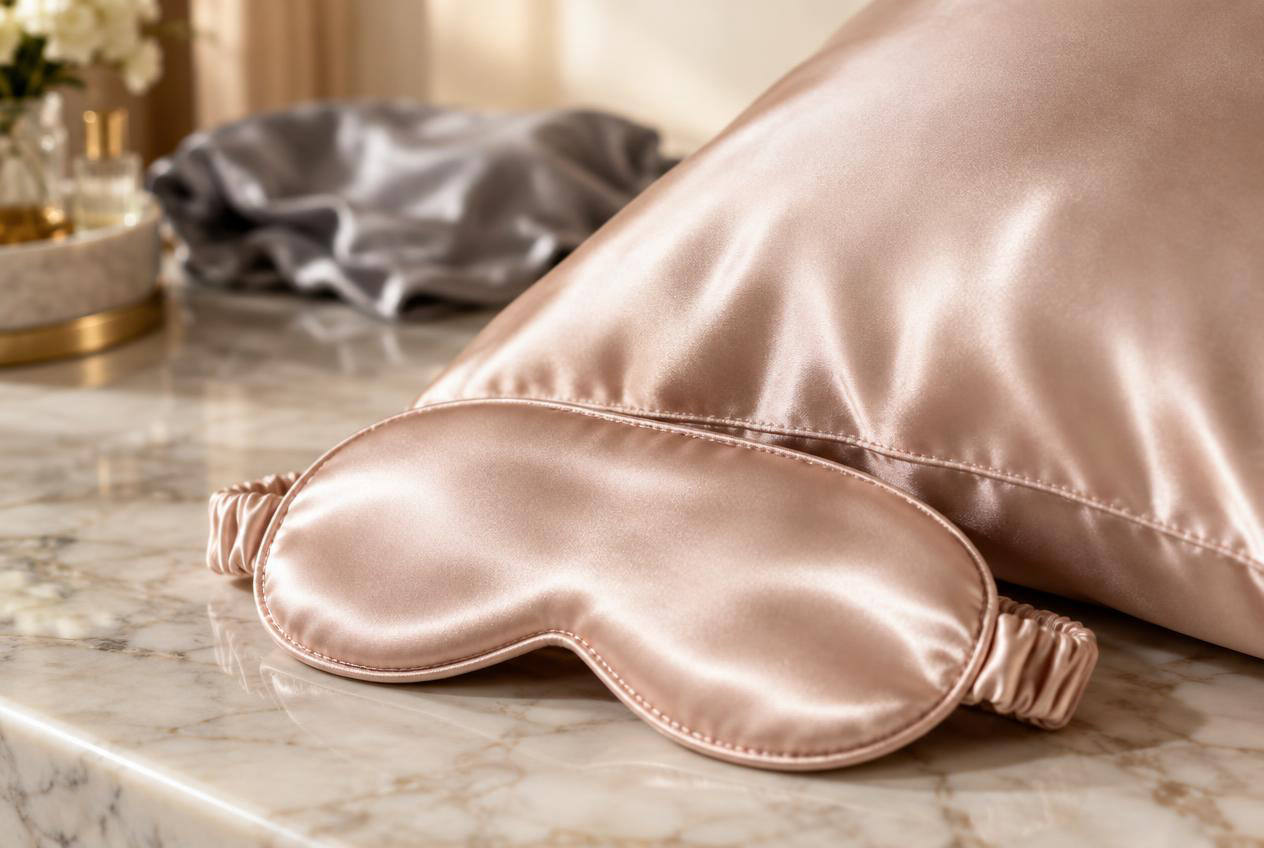
- The Look & Shine: Mulberry silk (especially when woven into Satin) has a thick, liquid-like, high-gloss shine. Habotai has a soft, matte-to-subtle glow. It is elegant but never flashy.
- The Weight: Mulberry silk satin is heavier and more substantial (often 19mm or 22mm). Habotai is feather-light and airy (usually 8mm to 16mm).
- The Feel: Mulberry satin feels buttery and slippery. Habotai feels smooth, crisp, and incredibly breathable.
(Fun fact: Most high-quality Habotai is actually made from 100% Mulberry silk fibers! The difference is how those fibers are woven together to create the final texture.)
Which One Should You Choose? (A Quick Guide)
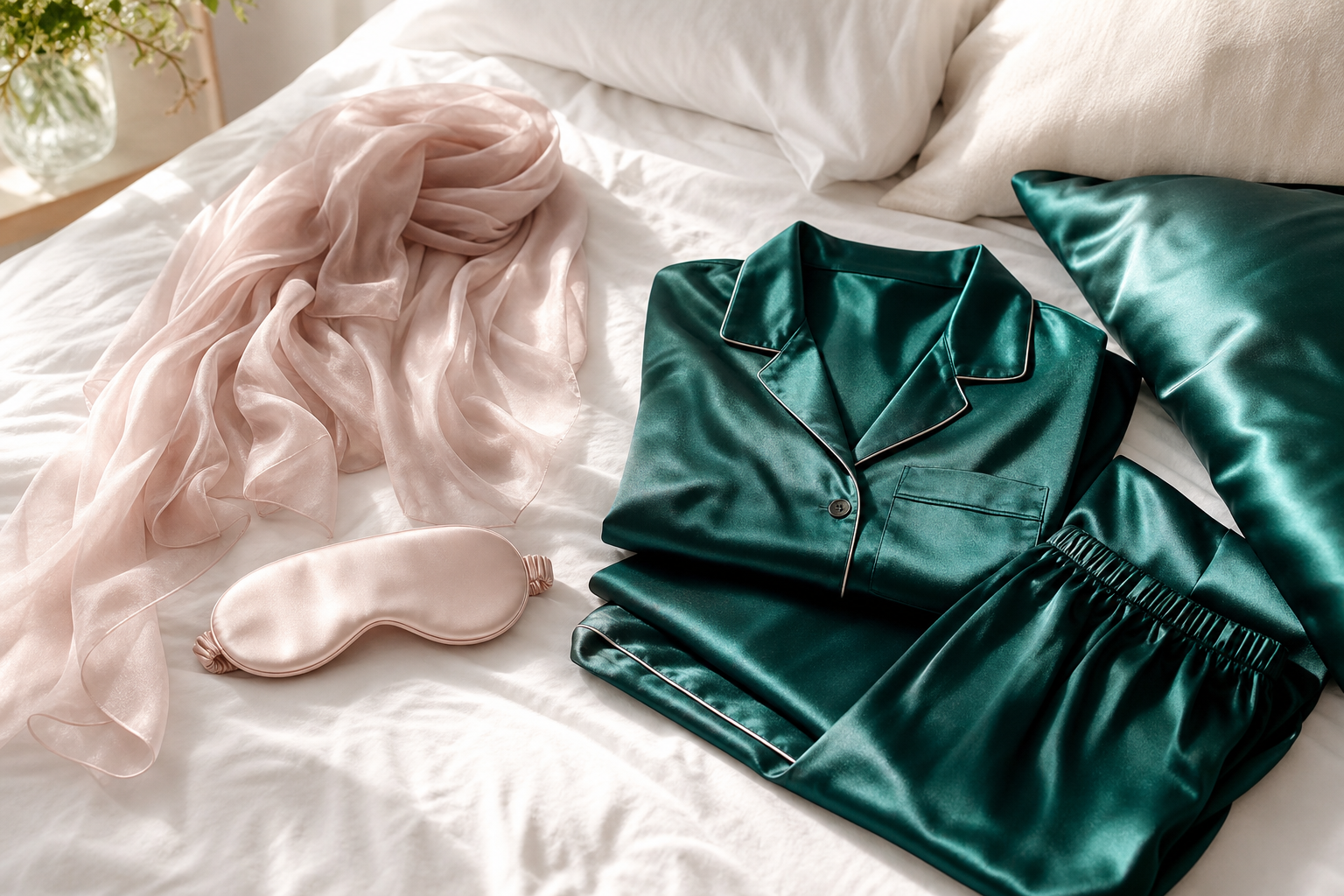
Instead of getting lost in textile terms, here is a simple guide based on what you want to buy:
Choose Habotai Silk if you want:
- Lightweight Scarves: It prints beautifully and ties effortlessly without being bulky.
- Delicate Sleepwear & Eye Masks: Its breathable nature keeps you cool during the night.
- Summer Clothing: Perfect for flowy blouses and dresses that need a soft drape.
- *(Note: Because it is very thin, it is not recommended for heavy daily bedding).*
Choose Mulberry Silk Satin if you want:
- Luxury Bedding: Pillowcases and sheets that reduce hair frizz and skin creases.
- High-Gloss Sleepwear: Classic, heavy silk pajamas with a stunning shine.
- Formal Wear: Dresses and gowns that require a thick, luxurious drape.
| Feature | Habotai Silk | Mulberry Silk Satin |
|---|---|---|
| Texture | Smooth, lightweight, slightly sheer | Glossy, thick, buttery smooth |
| Luster | Subtle, natural matte sheen | High, luxurious shine |
| Drape | Flowy and airy | Fluid and heavy |
> A note from TOWNSSILK: While we love the airy elegance of Habotai, our current focus is on the luxurious weight and durability of premium Mulberry Silk Satin for sleep and daily wear. Browse our full collection to see what's available →
Frequently Asked Questions (FAQ)
1. Is Habotai silk the same as China silk?
Yes. "China Silk" is simply the historical nickname for Habotai silk, referring to its lightweight, plain-weave nature and its origins in Chinese silk exports.
2. Is Habotai silk real silk?
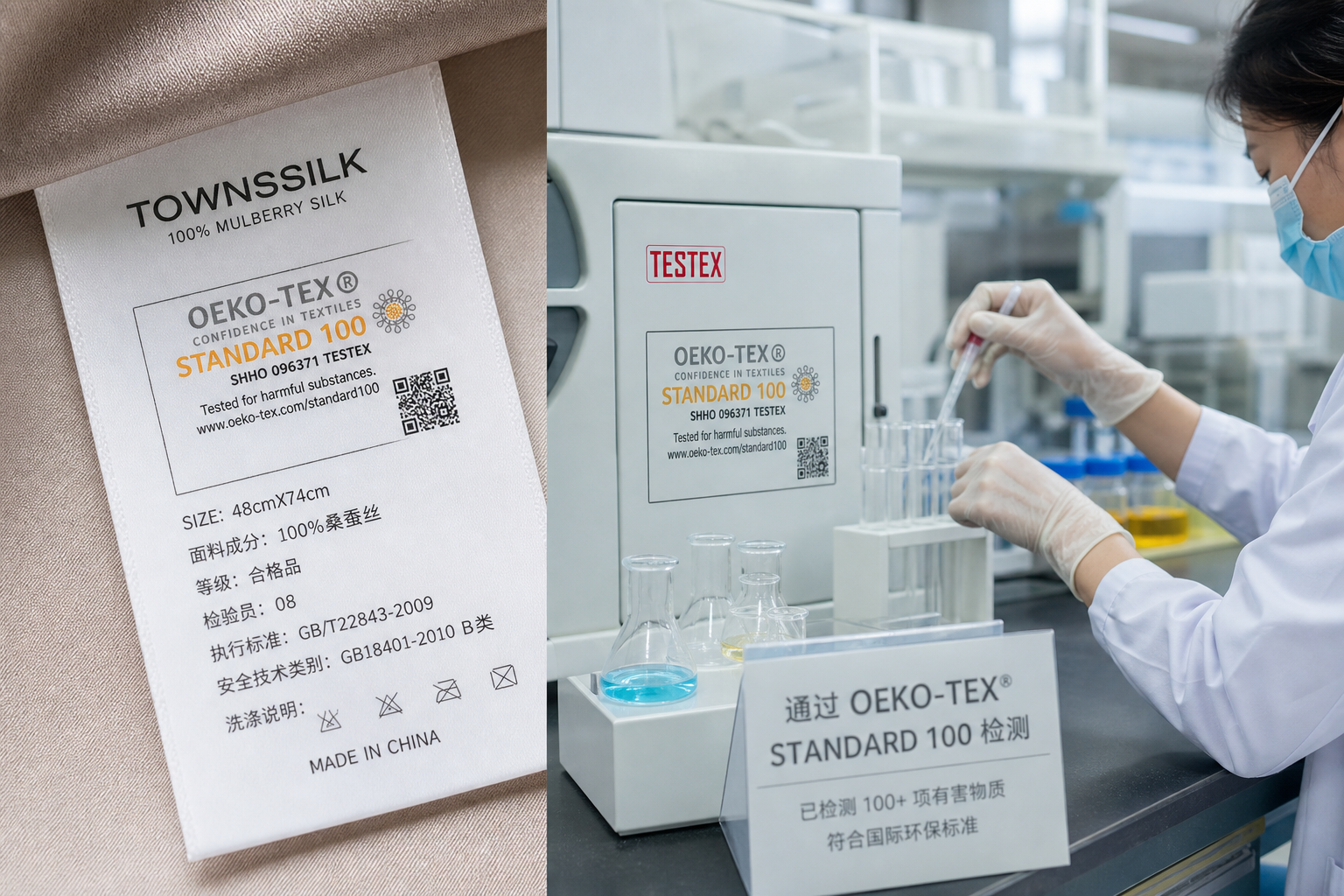
Yes, high-quality Habotai is 100% real silk (usually Mulberry silk). However, because the weave is lightweight, beware of cheap synthetic imitations in the market. Always check the label for "100% Silk."
3. Is Habotai silk good for your skin?
Absolutely. Like all pure Mulberry silk, Habotai is hypoallergenic, breathable, and gentle on sensitive skin. It naturally wicks away moisture.
4. What is the momme weight of Habotai silk?
Habotai silk is typically very lightweight, ranging from 8 to 16 momme. This makes it much thinner than standard 19mm or 22mm silk satin.
5. Can I wash Habotai silk at home?
Yes, but it requires care. We recommend hand washing in cold water with a pH-neutral detergent (like a gentle shampoo) and laying it flat to dry away from direct sunlight.
Conclusion
Whether you choose the feather-light elegance of Habotai (China Silk) for a delicate scarf, or the luxurious weight of Mulberry Silk Satin for your bedding, both offer the incredible benefits of 100% pure silk.
At TOWNSSILK, we specialize in premium Mulberry Silk Satin products designed to bring that buttery-soft, high-gloss luxury into your everyday life.
Ready to experience the difference? Explore our full silk collection today and find the perfect piece for your lifestyle.